Condos & Condotels
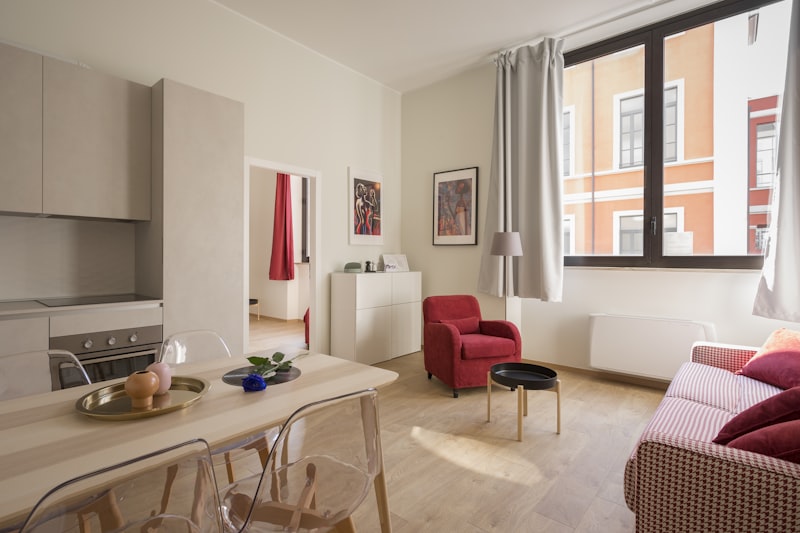
The most accessible income property in Costa Rica. A two-bedroom condo in a prime beach town runs $250,000–$450,000 and can generate $40,000–$80,000 in gross annual revenue depending on location, quality, and management.
Standard condos give you full control — you choose your management company, set your own rates, and keep 100% of revenue minus management fees (typically 20–30%). The downside: you're responsible for furnishing, listing, maintaining, and marketing the unit yourself (or paying someone to).
Condotels operate within a hotel framework. You own the unit, but it's managed as part of a hotel operation with shared amenities, pooled revenue, professional housekeeping, front desk service, and centralized bookings. Revenue is split between the owner and management company — typically 50/50 to 70/30 in the owner's favor. The trade-off is lower gross revenue per unit but significantly less management headache and typically higher occupancy.
Typical net yield: 4–8% for standard condos, 5–10% for well-run condotels
Best for: First-time international investors, remote owners who want passive income, buyers who plan to use the property part of the year
Vacation Villas
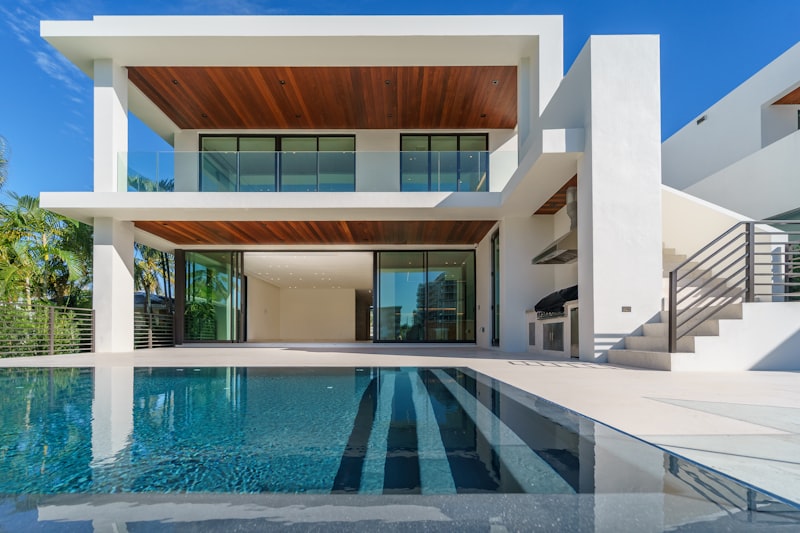
Standalone luxury villas are the premium tier of Costa Rica's vacation rental market. The top-performing villas in Guanacaste generate $200,000–$500,000+ in gross annual revenue, with some Los Sueños properties clearing $520K at 61% occupancy and $2,300+ ADRs.
The math works because wealthy travelers — families, groups, destination weddings, corporate retreats — will pay $500–$2,500/night for a well-appointed 4–6 bedroom villa with a private pool, ocean views, and concierge service. The demand is real and growing.
The catch: acquisition costs are $400K–$2M+, furnishing and finishing a villa to compete at the top of the market adds $50K–$150K, and ongoing maintenance on a tropical property with a pool, AC systems, and landscaping runs $1,500–$3,000/month. You need excellent management and aggressive channel distribution to keep occupancy above 55%.
Typical net yield: 5–10% after all expenses (higher potential but more variables)
Best for: Experienced investors comfortable with higher capital outlay, investors who want personal use of a premium property, groups pooling capital
Boutique Hotels (6–20 Rooms)
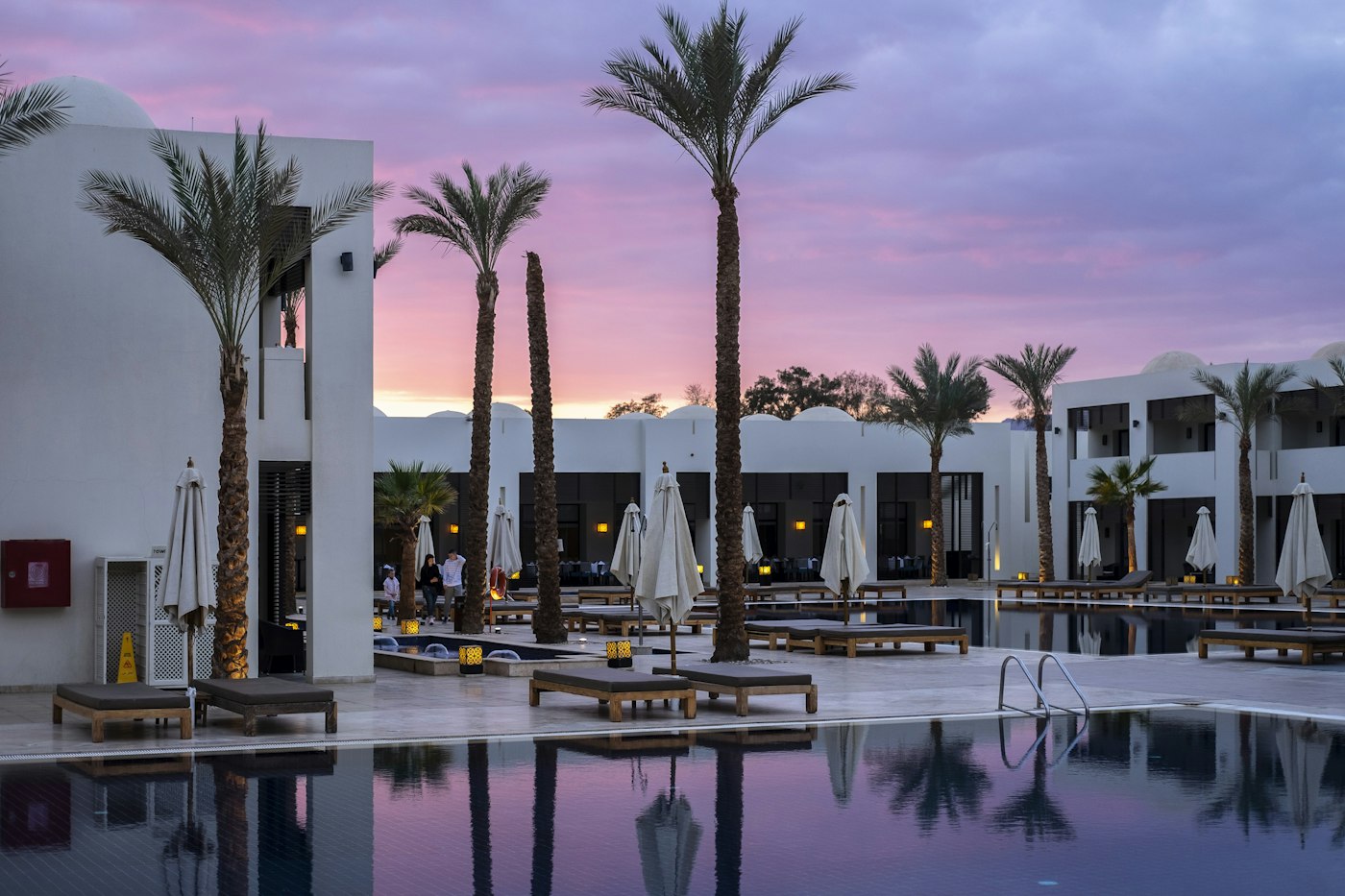
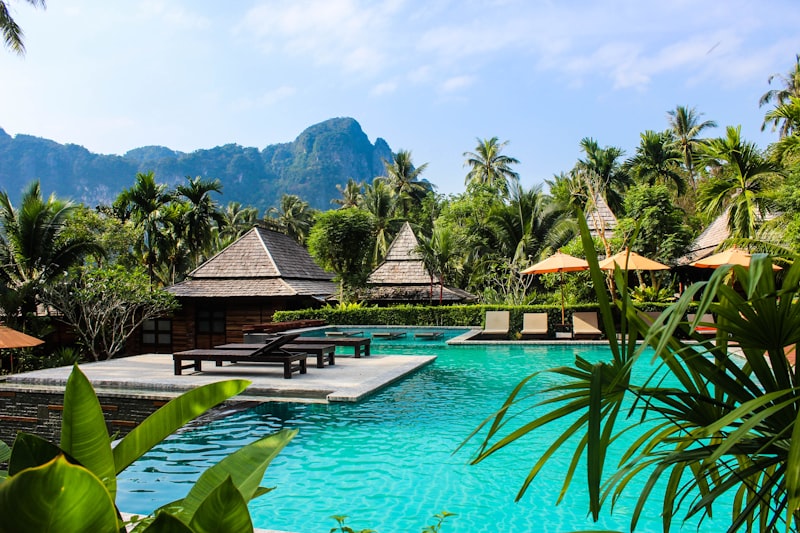
Boutique hotels are a fundamentally different investment than vacation rentals. You're not buying a property — you're buying (or building) a business. That means staff, licenses, daily operations, food and beverage, brand building, and guest experience management.
The upside: boutique hotels in Costa Rica's beach towns command premium rates ($150–$400/night), benefit from repeat guests and direct bookings (lower OTA commissions), and can build brand equity that compounds over time. A well-run 10-room boutique hotel generating 65% occupancy at $250 ADR produces roughly $590,000 in gross annual revenue.
The reality check: you'll need 4–8 full-time staff (housekeeping, front desk, maintenance, groundskeeper), a tourism license (Declaratoria Turística from ICT), health permits, commercial insurance, and the patience to build a reputation in a competitive market. Operating expenses typically consume 55–70% of gross revenue.
Typical net yield: 8–15% for owner-operators, 4–8% for absentee owners with a GM
Best for: Lifestyle investors who want to relocate, hospitality professionals, partnerships where one partner operates on-site
Apart-Hotels
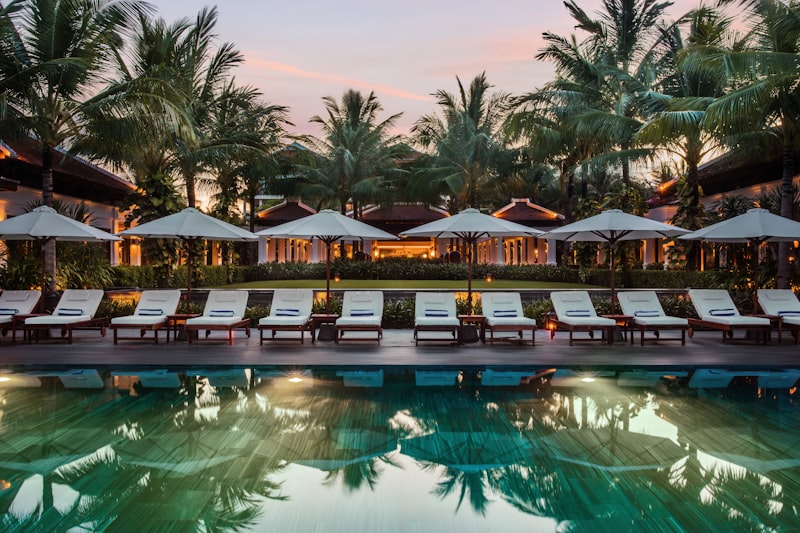
The apart-hotel sits between a condo complex and a boutique hotel. It's a multi-unit building (typically 8–20 units) operated as a hotel but with apartment-style units featuring kitchens and living areas. Think of it as a purpose-built vacation rental complex with centralized management.
The model appeals to a growing segment of travelers — families and digital nomads who want hotel-level service with the space and independence of an apartment. Stays tend to be longer (5–14 nights vs. 3–5 for hotels), which reduces turnover costs and increases net revenue per booking.
From an investment perspective, apart-hotels can be structured as condotel-style investments where individual units are sold to investors and managed as a pool, or as a single-owner commercial property. The former is more common in Costa Rica and provides developers with pre-construction capital while giving investors a turnkey income property.
Typical net yield: 5–9% for unit investors, 10–18% for developers who build and operate
Best for: Developers with construction experience, investors buying into an established apart-hotel operation
Raw Land & Development Sites
The highest-risk, highest-reward play in Costa Rica real estate. Not income property today — but potentially the foundation for it tomorrow.
📈 The Bull Case
Prime beachfront and ocean-view lots in developing areas like Playa Grande, Nosara's outskirts, and the southern Nicoya coast have appreciated 15–25% annually over the past five years. A $150K lot today could be worth $300K+ in 3–5 years — or serve as the foundation for a $1M+ development.
⚠️ The Reality Check
Raw land produces zero income while you hold it. Zoning, permits, water letters, environmental reviews, and construction timelines in Costa Rica are unpredictable. Maritime zone restrictions within 200m of the coast add complexity. Always verify titled (fee simple) vs. concession land, and never buy without a local attorney's due diligence.
Entry point: $80K–$500K+ depending on location, size, and access to utilities. Budget 12–24 months for permitting before any construction begins.
Quick Comparison: Which Asset Type Fits?
💰 Passive Income Seekers
- Condotel — truly hands-off, hotel-managed
- Condo with full-service management
- Apart-hotel unit in pooled operation
If your priority is quarterly deposits with minimal involvement, condotels and managed condos are the path. You'll sacrifice some upside for simplicity.
🔧 Active Operators
- Boutique hotel — hands-on, highest yield
- Luxury villa with owner-managed bookings
- Apart-hotel — build and operate
If you're willing to relocate or have a trusted partner on the ground, operator models deliver the best returns. Expect to earn your yield through sweat equity.
📐 Capital Growth Play
- Raw land in emerging corridors
- Pre-construction condotels at developer pricing
- Value-add — buy an underperforming property, renovate, reposition
These plays require patience, capital reserves, and tolerance for illiquidity. The returns can be exceptional, but the timeline is measured in years, not months.
How to Choose: Matching Your Capital, Time, and Risk Tolerance
The right asset type depends on three things: how much capital you have, how involved you want to be, and how much risk you can stomach. Here's the decision framework we use when evaluating deals.
If you have $250–400K and want passive income: A condo in a well-managed development in Tamarindo or Nosara is your sweet spot. Look for buildings with strong HOAs, established rental track records, and professional management options. You'll net 5–7% with minimal involvement. The trade-off: you're dependent on the management company and the building's collective decisions.
If you have $300–500K and want more control: An independent vacation villa (2–3 bedrooms) near Playa Langosta, Playa Flamingo, or Playa Avellanas gives you complete control over pricing, management, and guest experience. Higher potential returns (6–9% net) but more operational involvement. You can self-manage or hire an independent property manager at 20–25% of gross.
If you have $800K–$2M and want a business: A boutique hotel (6–10 rooms) is a hospitality business, not a passive investment. You need either hands-on involvement or a trusted operator. The returns can be excellent (8–15% ROI when well-run) but the operational complexity is an order of magnitude greater than a vacation rental. Staff management, licensing, health inspections, commercial insurance, and daily operations require either your full attention or a professional GM.
If you have $150–300K and can wait: Raw land in an emerging area (think Playa Negra, Playa Avellanas outskirts, or inland Nosara) offers the highest potential appreciation with zero cash flow. You'll hold for 3–7 years, carry annual property tax and security costs, and eventually either develop or sell to a developer. Land deals require the most local knowledge and carry the most risk — but the 200–400% returns we've seen on well-chosen parcels make the math compelling.
Due Diligence Differences by Asset Type
Every property purchase in Costa Rica requires standard due diligence (title search, survey, water letter, tax clearance). But each asset type has additional checks that most generic guides miss.
Condos/Condotels: Beyond the unit itself, you're buying into a community. Request the HOA's audited financial statements (not just a summary), the reserve fund balance as a percentage of planned capital expenditures, the delinquency rate on HOA payments, and any pending litigation against the HOA. In Tamarindo, we've seen condos where 30%+ of owners were delinquent on HOA fees — meaning the remaining owners subsidize the shortfall. Also verify the HOA allows short-term vacation rentals — some developments in the Tamarindo area have restricted Airbnb-style rentals to maintain a residential character.
Boutique Hotels: You're buying a business, not just a building. Demand 24 months of P&L statements, occupancy data by month, average daily rate trends, staff contracts and payroll records, all licenses (ICT tourism license, health permits, liquor license if applicable), and outstanding vendor payables. Have an independent accountant review the financials — seller-prepared numbers are always optimistic. Also verify environmental compliance: SETENA (environmental agency) clearances, proper wastewater treatment, and any pending complaints from neighbors or the municipality.
Raw Land: Land deals have the most potential for disaster. Beyond title and survey, verify: road access (is the access road public or does it cross private land requiring an easement?), utility availability (water, electricity — some rural lots have neither), zoning compliance (what can you actually build?), environmental restrictions (SINAC/MINAE protected zones, river setbacks, slope restrictions), and soil studies for buildability. In the hills above Tamarindo, we've seen buyers purchase "ocean view lots" only to discover the soil can't support foundations without $50K+ in retaining walls. Inspect physically before you buy.